DonateMembershipVisit Heritage
  • Tūrangawaewae
    Places
  • Tira Māori
    Māori Heritage
  • Poutairangahia
    Archaeology
  • Rauemi
    Resources
  • Mō Tātou
    About Us
  • New Zealand Heritage List
  • Nominate and submit
  • Explore the List
  • National Historic Landmarks
  • Plaques
  • Rainbow List Project
  • Lost heritage
  • Visit Heritage
  • Our properties
  • Turnbull House Project
  • Collections
  • Shop
  • Tohu Whenua
  • Tira Māori
  • Conserving Māori heritage
  • Marae built heritage
  • Māori heritage on the List
  • Hinemihi—Te Hokinga Mai
  • What is archaeology?
  • Is there a site on my property?
  • What are my legal requirements?
  • Affecting an archaeological site
  • Declaring an archaeological site
  • Archaeology FAQs
  • Archaeology Digital Library
  • Archaeology guidelines and templates
  • Resources
  • Funding
  • Publications
  • Sustainable management guides
  • Disaster recovery
  • Podcasts & digital resources
  • Education Hub
  • Conservation plans
  • About
  • Board
  • Māori Heritage Council
  • Senior Staff
  • Offices
  • Contact us
  • Careers
  • Covenants
  • Fast-track
  • Corporate documents
  • Currently consulting on
  • Our submissions
  • News
  • Covid-19 response
Quick links
Rārangi Kōrero | The List
Explore the List
National Historic Landmarks
Ngā Manawhenua o Aotearoa me ōna Kōrero Tūturu
Quick links
Tapuwae
A Vision for Places of Māori Heritage
Funding for Māori Heritage
Resources
Quick links
Archaeological Authority Portal
Applying for an archaeological authority
Archaeology FAQs
Browse the most frequently asked questions about archaeological authorities and the archaeological process.
Quick links
Quick links
News
News Keep up to date with Heritage New Zealand Pouhere Taonga
Membership
Membership Find out more and sign up today
DonateMembershipVisit Heritage
  • Tūrangawaewae
    Places
  • Tira Māori
    Māori Heritage
  • Poutairangahia
    Archaeology
  • Rauemi
    Resources
  • Mō Tātou
    About Us
  • New Zealand Heritage List
  • Nominate and submit
  • Explore the List
  • National Historic Landmarks
  • Plaques
  • Rainbow List Project
  • Lost heritage
  • Visit Heritage
  • Our properties
  • Turnbull House Project
  • Collections
  • Shop
  • Tohu Whenua
  • Tira Māori
  • Conserving Māori heritage
  • Marae built heritage
  • Māori heritage on the List
  • Hinemihi—Te Hokinga Mai
  • What is archaeology?
  • Is there a site on my property?
  • What are my legal requirements?
  • Affecting an archaeological site
  • Declaring an archaeological site
  • Archaeology FAQs
  • Archaeology Digital Library
  • Archaeology guidelines and templates
  • Resources
  • Funding
  • Publications
  • Sustainable management guides
  • Disaster recovery
  • Podcasts & digital resources
  • Education Hub
  • Conservation plans
  • About
  • Board
  • Māori Heritage Council
  • Senior Staff
  • Offices
  • Contact us
  • Careers
  • Covenants
  • Fast-track
  • Corporate documents
  • Currently consulting on
  • Our submissions
  • News
  • Covid-19 response
Quick links
Rārangi Kōrero | The List
Explore the List
National Historic Landmarks
Ngā Manawhenua o Aotearoa me ōna Kōrero Tūturu
Quick links
Tapuwae
A Vision for Places of Māori Heritage
Funding for Māori Heritage
Resources
Quick links
Archaeological Authority Portal
Applying for an archaeological authority
Archaeology FAQs
Browse the most frequently asked questions about archaeological authorities and the archaeological process.
Quick links
Quick links
News
News Keep up to date with Heritage New Zealand Pouhere Taonga
Membership
Membership Find out more and sign up today
  • Places
  • Nominate and submit
  • National Historic Landmarks
  • Places
  • Nominate and submit
  • National Historic Landmarks
  • Tira Māori
  • Conserving Māori heritage
  • Marae built heritage
  • Tira Māori
  • Conserving Māori heritage
  • Marae built heritage
  • Archaeological authorities
  • Archaeology Digital Library
  • Archaeological authorities
  • Archaeology Digital Library
  • All resources
  • Publications
  • Funding
  • All resources
  • Publications
  • Funding
  • FAQs
  • FAQs
Follow us on:
Places
  • Places
  • Nominate and submit
  • National Historic Landmarks
Tira Māori
  • Tira Māori
  • Conserving Māori heritage
  • Marae built heritage
Archaeology
  • Archaeological authorities
  • Archaeology Digital Library
Resources
  • All resources
  • Publications
  • Funding
FAQs
  • FAQs
Follow us on
HomePrivacyTerms and conditionsAbout this site
© Heritage New Zealand Pouhere Taonga 2026.
 
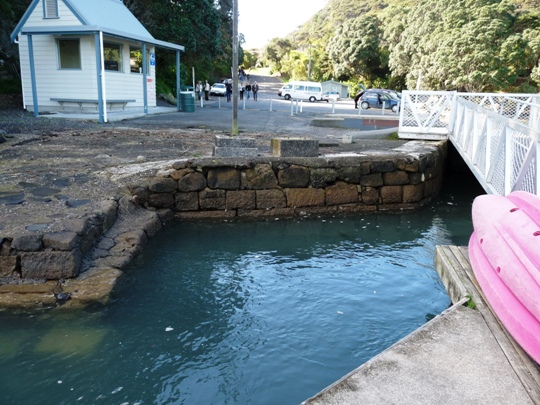
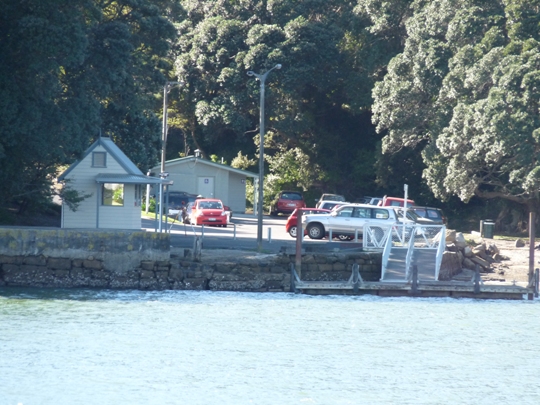
Old Stone Wharf

Ferry Landing, WHITIANGA

Public

Historic Place Category 1

List No. 4675

Quick links:
List GalleryLocationDetails
Old Stone Wharf | Dr Ann McEwan | 26/07/2009 | Dr Ann McEwan
null | Dr Ann McEwan | 26/07/2009 | Dr Ann McEwan
Old Stone Wharf | Dr Ann McEwan | 26/07/2009 | Dr Ann McEwan
null | Dr Ann McEwan | 26/07/2009 | Dr Ann McEwan

List Entry Information

Overview

Status
Listed

List Entry Status
Historic Place Category 1

Access
Able to Visit

List Number
4675

Date Entered
19th July 1990

Date of Effect
19th July 1990

City/District Council
Thames-Coromandel District

Region
Waikato Region

Detailed List Entry
Significance

Historic Significance

Historical Significance or Value This historic place was registered under the Historic Places Act 1980. This report includes the text from the original Building Classification Committee report considered by the NZHPT Board at the time of registration. The Whitianga stone wharf is the oldest wharf in New Zealand, and it is still being used for this purpose. It facilitated the exploitation of the timber resources of the Whitianga area which gave rise to one of the earliest European settlements in New Zealand outside of the far north.

Physical Significance

This historic place was registered under the Historic Places Act 1980. This report includes the text from the original Building Classification Committee report considered by the NZHPT Board at the time of registration. ARCHITECTURAL QUALITY: This wharf is an important example of early stone wall construction in New Zealand using substantial shaped stone blocks. It was a significant engineering undertaking for the period, which has stood the test of time in an environmentally adverse situation. TOWNSCAPE/LANDMARK VALUE A significant feature of the east side of the entrance of the Whitianga estuary.

Construction Professional

Name

Browne, Gordon Davis

Type

Builder

Biography

Gordon Davies Browne was a Sydney timber merchant who in 1836 established a timber milling and ship building enterprise at Mercury Bay. He is credited with the design and construction of the stone wharf at Whitianga. He died in the Bay of Islands in 1842. Gordon Davies Browne was a Sydney timber merchant who was involved in the early shipbuilding industry at Horeke. In the 1930s in partnership with other entrepreneurs he made land purchases in Mahurangi, Tamaki and Mercury Bay. He was active in the kauri timber trade, particularly the supply of spars to the Admiralty. About 1836 he established a timber mill and shipbuilding yard at Whitianga. It was as part of this venture that the stone wharf, for the construction of which Browne is credited, was built. For the last seven years of his life Browne was in poor physical and mental health. He died in the Bay of Islands in 1842.

Name

Browne, Gordon Davis

Type

Designer

Biography

Gordon Davies Browne was a Sydney timber merchant who in 1836 established a timber milling and ship building enterprise at Mercury Bay. He is credited with the design and construction of the stone wharf at Whitianga. He died in the Bay of Islands in 1842. Gordon Davies Browne was a Sydney timber merchant who was involved in the early shipbuilding industry at Horeke. In the 1930s in partnership with other entrepreneurs he made land purchases in Mahurangi, Tamaki and Mercury Bay. He was active in the kauri timber trade, particularly the supply of spars to the Admiralty. About 1836 he established a timber mill and shipbuilding yard at Whitianga. It was as part of this venture that the stone wharf, for the construction of which Browne is credited, was built. For the last seven years of his life Browne was in poor physical and mental health. He died in the Bay of Islands in 1842.

Construction Details

Start Year

1838

Type

Original Construction

Construction Materials

Stone, quarried locally

Notable Features

Earliest wharf in New Zealand.

Reference

Information Sources

Birthell, 1980

J Birthell, 'Guide to the History of Whitianga', Thames, 1980

Grayland, 1965

E and V Grayland, Coromandel Coast, Reed, Wellington, 1965

Report Written By

This place was identified as significant under previous legislation with different information requirements. It remains significant under the current legislation. There is opportunity under our legislation and policies to add to this information. Further information about this place may be available from the Northern Regional Office of Heritage New Zealand Pouhere Taonga. A copy of this report is available from the NZHPT Northern Region office Please note that entry on the New Zealand Heritage List/Rarangi Korero identifies only the heritage values of the property concerned, and should not be construed as advice on the state of the property, or as a comment of its soundness or safety, including in regard to earthquake risk, safety in the event of fire, or insanitary conditions.

Further Information

Current Usages

Former Usages

General Usage:: Transport

Specific Usage: Wharf/Dock/ Pier/ Jetty

Themes

Web Links

description: Engineering NZ Heritage

url: https://www.engineeringnz.org/our-work/heritage/heritage-records/whitianga-old-stone-wharf/

Overview

Status

Listed

List Entry Status

Historic Place Category 1

Access

Able to Visit

List Number

4675

Date Entered

19th July 1990

Date of Effect

19th July 1990

City/District Council

Thames-Coromandel District

Region

Waikato Region

Status

Listed

List Entry Status

Historic Place Category 1

Access

Able to Visit

List Number

4675

Date Entered

19th July 1990

Date of Effect

19th July 1990

City/District Council

Thames-Coromandel District

Region

Waikato Region

Significance

Why is this place significant?

Historic Significance

Historical Significance or Value This historic place was registered under the Historic Places Act 1980. This report includes the text from the original Building Classification Committee report considered by the NZHPT Board at the time of registration. The Whitianga stone wharf is the oldest wharf in New Zealand, and it is still being used for this purpose. It facilitated the exploitation of the timber resources of the Whitianga area which gave rise to one of the earliest European settlements in New Zealand outside of the far north.

Physical Significance

This historic place was registered under the Historic Places Act 1980. This report includes the text from the original Building Classification Committee report considered by the NZHPT Board at the time of registration. ARCHITECTURAL QUALITY: This wharf is an important example of early stone wall construction in New Zealand using substantial shaped stone blocks. It was a significant engineering undertaking for the period, which has stood the test of time in an environmentally adverse situation. TOWNSCAPE/LANDMARK VALUE A significant feature of the east side of the entrance of the Whitianga estuary.

Why is this place significant?

Historic Significance

Historical Significance or Value This historic place was registered under the Historic Places Act 1980. This report includes the text from the original Building Classification Committee report considered by the NZHPT Board at the time of registration. The Whitianga stone wharf is the oldest wharf in New Zealand, and it is still being used for this purpose. It facilitated the exploitation of the timber resources of the Whitianga area which gave rise to one of the earliest European settlements in New Zealand outside of the far north.

Physical Significance

This historic place was registered under the Historic Places Act 1980. This report includes the text from the original Building Classification Committee report considered by the NZHPT Board at the time of registration. ARCHITECTURAL QUALITY: This wharf is an important example of early stone wall construction in New Zealand using substantial shaped stone blocks. It was a significant engineering undertaking for the period, which has stood the test of time in an environmentally adverse situation. TOWNSCAPE/LANDMARK VALUE A significant feature of the east side of the entrance of the Whitianga estuary.

Construction Information

Construction Professional

Name

Browne, Gordon Davis

Type

Builder

Biography

Gordon Davies Browne was a Sydney timber merchant who in 1836 established a timber milling and ship building enterprise at Mercury Bay. He is credited with the design and construction of the stone wharf at Whitianga. He died in the Bay of Islands in 1842. Gordon Davies Browne was a Sydney timber merchant who was involved in the early shipbuilding industry at Horeke. In the 1930s in partnership with other entrepreneurs he made land purchases in Mahurangi, Tamaki and Mercury Bay. He was active in the kauri timber trade, particularly the supply of spars to the Admiralty. About 1836 he established a timber mill and shipbuilding yard at Whitianga. It was as part of this venture that the stone wharf, for the construction of which Browne is credited, was built. For the last seven years of his life Browne was in poor physical and mental health. He died in the Bay of Islands in 1842.

Name

Browne, Gordon Davis

Type

Designer

Biography

Gordon Davies Browne was a Sydney timber merchant who in 1836 established a timber milling and ship building enterprise at Mercury Bay. He is credited with the design and construction of the stone wharf at Whitianga. He died in the Bay of Islands in 1842. Gordon Davies Browne was a Sydney timber merchant who was involved in the early shipbuilding industry at Horeke. In the 1930s in partnership with other entrepreneurs he made land purchases in Mahurangi, Tamaki and Mercury Bay. He was active in the kauri timber trade, particularly the supply of spars to the Admiralty. About 1836 he established a timber mill and shipbuilding yard at Whitianga. It was as part of this venture that the stone wharf, for the construction of which Browne is credited, was built. For the last seven years of his life Browne was in poor physical and mental health. He died in the Bay of Islands in 1842.

Construction Details

Start Year

1838

Type

Original Construction

Construction Materials

Stone, quarried locally

Notable Features

Earliest wharf in New Zealand.

Construction Professional

Name

Browne, Gordon Davis

Type

Builder

Biography

Gordon Davies Browne was a Sydney timber merchant who in 1836 established a timber milling and ship building enterprise at Mercury Bay. He is credited with the design and construction of the stone wharf at Whitianga. He died in the Bay of Islands in 1842. Gordon Davies Browne was a Sydney timber merchant who was involved in the early shipbuilding industry at Horeke. In the 1930s in partnership with other entrepreneurs he made land purchases in Mahurangi, Tamaki and Mercury Bay. He was active in the kauri timber trade, particularly the supply of spars to the Admiralty. About 1836 he established a timber mill and shipbuilding yard at Whitianga. It was as part of this venture that the stone wharf, for the construction of which Browne is credited, was built. For the last seven years of his life Browne was in poor physical and mental health. He died in the Bay of Islands in 1842.

Name

Browne, Gordon Davis

Type

Designer

Biography

Gordon Davies Browne was a Sydney timber merchant who in 1836 established a timber milling and ship building enterprise at Mercury Bay. He is credited with the design and construction of the stone wharf at Whitianga. He died in the Bay of Islands in 1842. Gordon Davies Browne was a Sydney timber merchant who was involved in the early shipbuilding industry at Horeke. In the 1930s in partnership with other entrepreneurs he made land purchases in Mahurangi, Tamaki and Mercury Bay. He was active in the kauri timber trade, particularly the supply of spars to the Admiralty. About 1836 he established a timber mill and shipbuilding yard at Whitianga. It was as part of this venture that the stone wharf, for the construction of which Browne is credited, was built. For the last seven years of his life Browne was in poor physical and mental health. He died in the Bay of Islands in 1842.

Construction Details

Start Year

1838

Type

Original Construction

Construction Materials

Stone, quarried locally

Notable Features

Earliest wharf in New Zealand.

Reference

Historical and Associated Iwi / Hapū / Whānau

Information Sources

Birthell, 1980

J Birthell, 'Guide to the History of Whitianga', Thames, 1980

Grayland, 1965

E and V Grayland, Coromandel Coast, Reed, Wellington, 1965

Other Information

This place was identified as significant under previous legislation with different information requirements. It remains significant under the current legislation. There is opportunity under our legislation and policies to add to this information. Further information about this place may be available from the Northern Regional Office of Heritage New Zealand Pouhere Taonga. A copy of this report is available from the NZHPT Northern Region office Please note that entry on the New Zealand Heritage List/Rarangi Korero identifies only the heritage values of the property concerned, and should not be construed as advice on the state of the property, or as a comment of its soundness or safety, including in regard to earthquake risk, safety in the event of fire, or insanitary conditions.

Historical and Associated Iwi / Hapū / Whānau

Information Sources

Birthell, 1980

J Birthell, 'Guide to the History of Whitianga', Thames, 1980

Grayland, 1965

E and V Grayland, Coromandel Coast, Reed, Wellington, 1965

Other Information

This place was identified as significant under previous legislation with different information requirements. It remains significant under the current legislation. There is opportunity under our legislation and policies to add to this information. Further information about this place may be available from the Northern Regional Office of Heritage New Zealand Pouhere Taonga. A copy of this report is available from the NZHPT Northern Region office Please note that entry on the New Zealand Heritage List/Rarangi Korero identifies only the heritage values of the property concerned, and should not be construed as advice on the state of the property, or as a comment of its soundness or safety, including in regard to earthquake risk, safety in the event of fire, or insanitary conditions.

Further Information

Former Usages

General Usage: Transport

Specific Usage: Wharf/Dock/ Pier/ Jetty

Web Links

description: Engineering NZ Heritage

url: https://www.engineeringnz.org/our-work/heritage/heritage-records/whitianga-old-stone-wharf/

Former Usages

General Usage: Transport

Specific Usage: Wharf/Dock/ Pier/ Jetty

Web Links

description: Engineering NZ Heritage

url: https://www.engineeringnz.org/our-work/heritage/heritage-records/whitianga-old-stone-wharf/

Location

Loading
Stay up to date with Heritage this month